
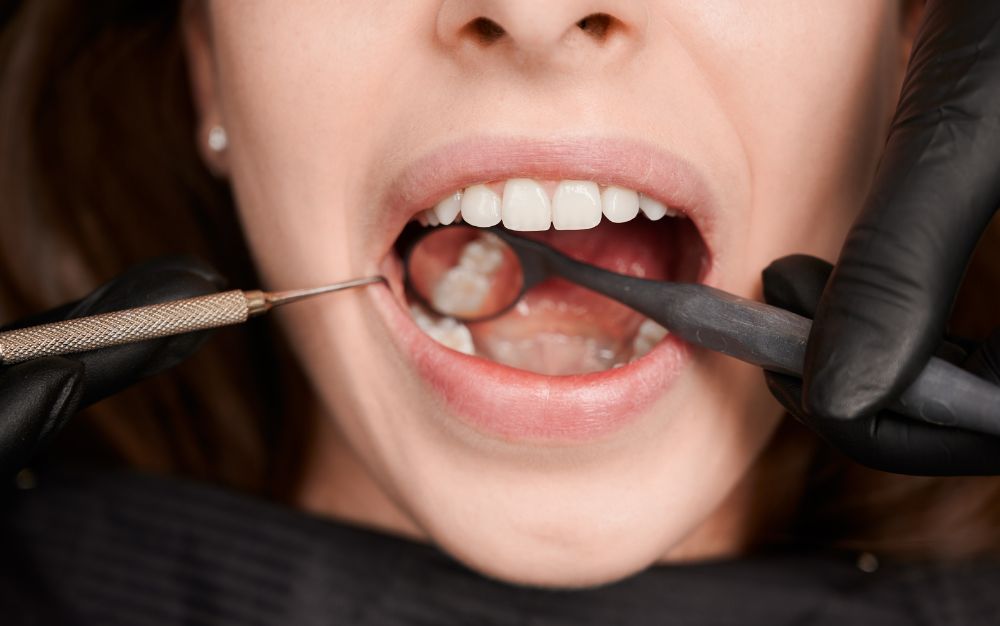
Wisdom tooth pain can make simple things like chewing, speaking or opening your mouth feel uncomfortable. What starts as mild pressure at the back of the jaw may become swelling, gum soreness, bad breath, food trapping or pain that spreads towards the ear or head.
If the pain keeps returning, your wisdom tooth may be impacted, infected or pushing against nearby teeth.
An early dental assessment at Brace Yourself orthodontist in Penang can help identify the cause and prevent the problem from becoming more complicated.
What Causes Wisdom Tooth Pain?

Wisdom teeth, also known as third molars, usually appear in the late teenage years or early adulthood.
Some grow normally and never cause trouble. Others become impacted, meaning they are trapped under the gum, partly erupted, tilted, or blocked by the tooth in front.
Pain often happens when food and bacteria collect around a partially erupted wisdom tooth. The gum can become swollen or infected, and the area may be difficult to clean.
Wisdom tooth pain may also come from decay, pressure on the neighbouring molar, or inflammation around the jaw.
Contact Brace Yourself to book a consultation and get clear advice on the most suitable treatment for your condition.
7 Signs Your Wisdom Tooth May Need To Come Out
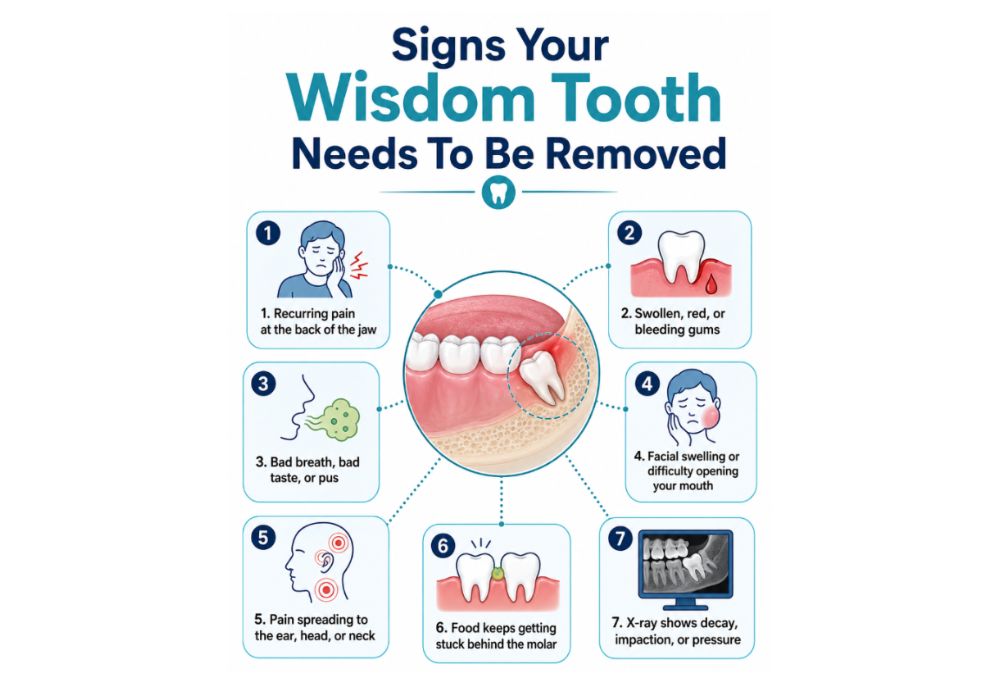
A dentist or dental surgeon should assess your symptoms, gum condition, tooth position, oral hygiene, and X-ray before recommending treatment. However, these signs should not be ignored.
1. Pain at the back of the jaw keeps returning
Mild soreness may happen when a wisdom tooth is erupting. But pain that returns, worsens, affects chewing, or keeps you awake may point to impaction, decay, or repeated gum inflammation.
2. Swollen, red, or bleeding gums
A partially erupted wisdom tooth can leave a gum pocket where plaque and food get trapped. This can cause tenderness, bleeding when brushing, or swelling at the very back of the mouth.
3. Bad breath, bad taste, or pus
A persistent bad taste or bad breath that does not improve after brushing may be linked to infection around the wisdom tooth. If you notice pus near the gum, book a dental appointment promptly.
4. Facial swelling or difficulty opening your mouth
Swelling around the jaw, cheek, or gum may indicate infection or significant inflammation. If swelling spreads, you develop fever, or you have difficulty swallowing or breathing, seek urgent medical or dental care immediately.
5. Pain spreads to the ear, head, or neck
Wisdom tooth problems can sometimes feel like earache, headaches, jaw joint discomfort, or neck pain. A check-up helps confirm whether the wisdom tooth is the source or whether another dental issue is involved.
6. Food keeps getting stuck behind the molar
If food regularly traps behind your second molar, the wisdom tooth may be creating a hard-to-clean area. Over time, this can raise the risk of decay, gum disease, and damage to the neighbouring tooth.
7. An X-ray shows decay, impaction, or pressure
Some wisdom teeth cause hidden problems even before symptoms feel severe. An X-ray can show the tooth angle, root shape, depth, and whether it is pressing against another molar. This helps your dentist decide whether to monitor, clean, treat, or remove the tooth.
If you experience any of these signs,a dentist check up can help identify the cause of your wisdom tooth problem and determine the most suitable treatment option based on your condition.
Before Removal, Understand What Is Causing The Pain
Wisdom tooth treatment is not based on pain alone.
The right decision depends on the tooth position, gum condition, cleaning access, nearby molar health, and what the X-ray shows beneath the surface.
A proper assessment is important before assuming the tooth must come out.
Check out the brace packages of what’s included before making your appointment.
Book a consultation with Brace Yourself to get your wisdom tooth pain checked before it becomes a bigger dental problem.
Brace Yourself’s Clear Guidance For Wisdom Tooth Pain
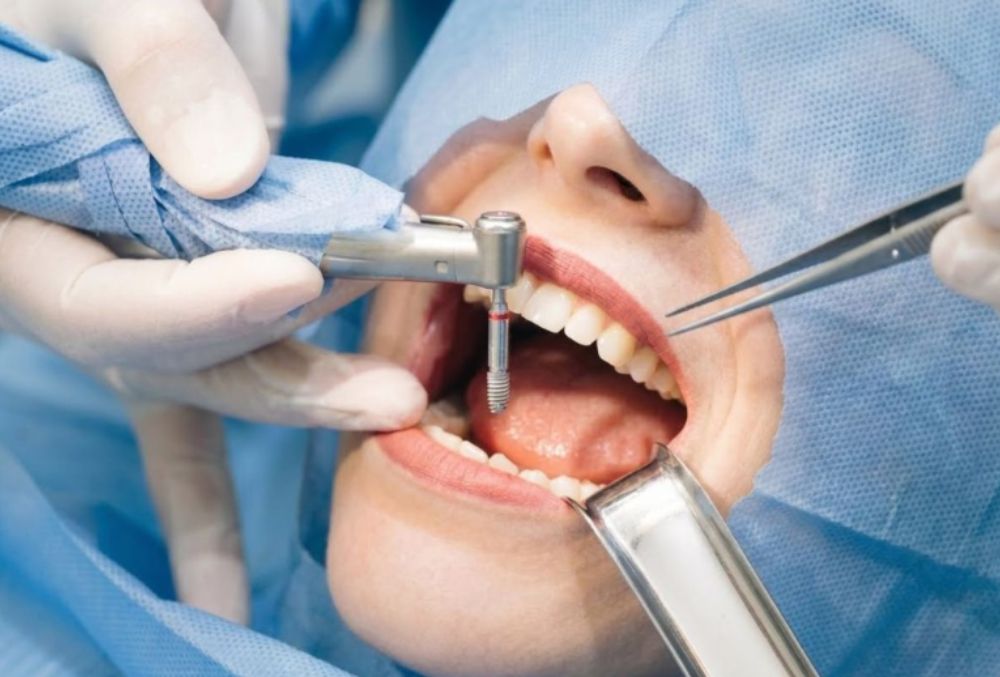
Brace Yourself’s dental team evaluates your wisdom tooth condition through a careful assessment process:
- Understand your symptoms including pain duration, swelling, bad taste, and recurring discomfort.
- Examine your wisdom tooth area including the gums and nearby teeth.
- Recommend X-rays if needed to check for impaction, decay, gum coverage, or pressure on neighbouring teeth.
- Identify the cause of discomfort and determine the safest treatment approach.
- Recommend suitable care options such as monitoring, cleaning, treatment, or removal.
If removal through an impacted tooth surgery is suitable, the team will explain whether a simple extraction or surgical removal is more appropriate, along with anaesthesia, recovery, aftercare, and what to watch for after treatment.
Brace Yourself combines specialist orthodontic knowledge with comprehensive general dentistry, making it easier for patients to receive careful dental assessment and long-term oral health planning in one place.
5 Simple Ways To Manage Wisdom Tooth Pain Before Your Appointment

While waiting for your dental appointment, you can take a few simple steps to stay more comfortable and avoid irritating the area further.
1. Keep the area clean gently
Brush carefully around the back of the mouth to remove food debris without pressing too hard on the sore gum.
2. Rinse with warm salt water
A gentle warm salt water rinse can help keep the area clean and soothe mild gum discomfort.
3. Choose soft foods for now
Eat softer foods and avoid chewing on the painful side to reduce pressure around the wisdom tooth.
4. Use pain relief safely
Take pain relief only according to the medication label or advice from a healthcare professional. Avoid placing aspirin directly on the gum, as this may irritate the tissue.
5. Do not delay if symptoms worsen
If the pain becomes stronger, swelling appears, or you notice fever, pus, or difficulty opening your mouth, arrange a dental visit as soon as possible.
Get Relief From Wisdom Tooth Pain With The Right Dental Care
Wisdom tooth pain should not be something you keep managing with temporary relief. If the pain returns, affects your eating, or makes the back of your jaw feel uncomfortable, a dental check can help you understand what needs to be done before the problem gets worse.
Brace Yourself provides careful assessment for wisdom tooth concerns, with clear guidance on whether monitoring, treatment, or removal is suitable for your condition.
Contact Brace Yourself today to book your wisdom tooth pain consultation and take the next step towards better comfort and oral health.
Frequently Asked Questions About Wisdom Tooth
Mild eruption discomfort may settle within a few days, but pain that lasts more than a week or comes with swelling should be checked at Brace Yourself.
Yes, if the tooth is growing normally, but Brace Yourself will assess whether the pain is caused by impaction, infection, decay, or gum inflammation.
You should book a dental check if the pain keeps returning, affects chewing, causes swelling, or comes with bad breath, bad taste, or fever.
The area is numbed before removal, and Brace Yourself will guide you clearly on comfort, aftercare, and what to expect during recovery.
Start with an assessment at Brace Yourself, where the team can check your wisdom tooth and advise whether monitoring, treatment, or surgical removal is needed.
Brace Yourself assesses your symptoms, examines the gum and nearby teeth, and may recommend an X-ray to see the tooth position clearly.
Yes, an impacted or poorly positioned wisdom tooth can trap food, cause decay, or put pressure on the neighbouring molar if left unchecked.
