

Underbites can be dental or skeletal, and the treatment depends on the cause.
A dental underbite happens when the teeth are misaligned while the jawbones are proportionate, and braces can often correct it without surgery.
A skeletal underbite occurs when the lower jaw sits further forward than the upper jaw and may require surgery alongside orthodontic treatment.
This applies to both children and adults. A proper bite assessment is needed to determine the right treatment.
Brace Yourself, a trusted dental clinic in Penang, can assess your bite and recommend suitable treatment options.
Underbite Treatment Options at a Glance
Underbite treatment varies depending on the cause, severity and stage of jaw development. The table below compares the main treatment options, typical timelines and cases they may suit.
| Approach | Typical Duration | Best Suited For |
| Braces (metal, ceramic or Damon) | 18 to 24 months | Mild to moderate dental underbite, jawbones proportionate |
| Invisalign clear aligners | 12 to 18 months | Mild dental underbite with good aligner compliance |
| Early growth-guidance appliance | 6 to 12 months | Children aged 7 to 10 with early signs of a skeletal mismatch |
| Combined surgical-orthodontic treatment | 24 to 36 months | Skeletal underbite in adults, once jaw growth is complete |
Get your own personalised timeline. Book a free consultation with Brace Yourself to confirm which row in this table applies to your bite.
What Is an Underbite?
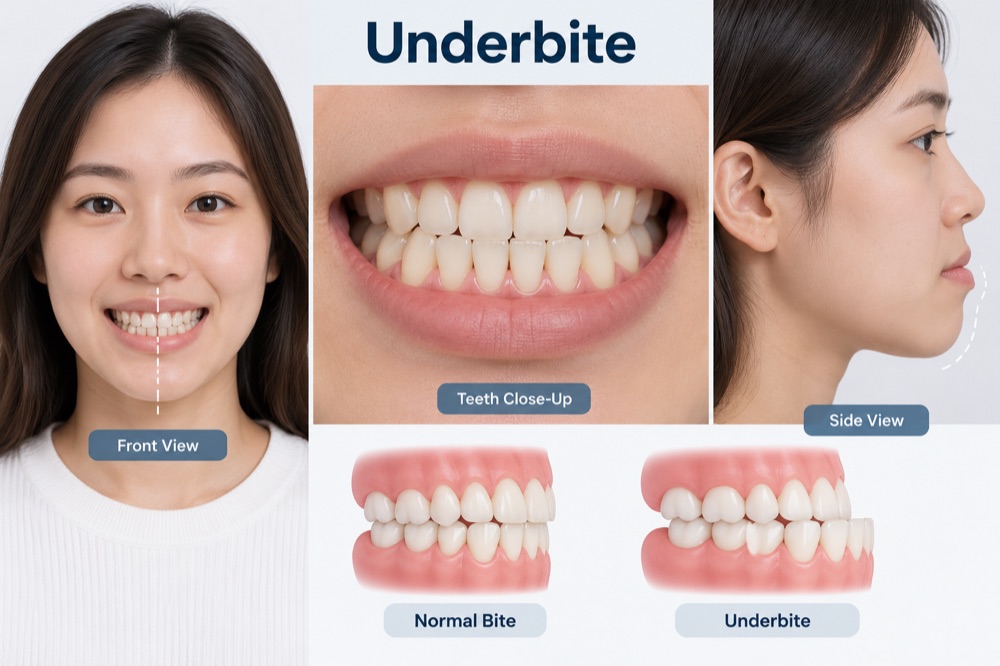
An underbite happens when the lower front teeth or jaw sit in front of the upper front teeth when you close your mouth.
An underbite can generally be grouped into two types:
- Dental underbite: The teeth are positioned incorrectly, while the jawbones are proportionate.
- Skeletal underbite: The lower jaw has developed further forward or is larger than the upper jaw.
An underbite is classified as a Class III malocclusion. Class III malocclusion occurs more frequently in some Chinese and Southeast Asian populations, including Malaysia, according to a recent expert consensus on Class III malocclusion.
If you are exploring treatment options, learn more about teeth straightening without braces and how different orthodontic treatments work.
Book a consultation with Brace Yourself to have your bite assessed and discuss the most suitable treatment for your case.
What Happens If an Underbite Is Left Untreated?
An untreated underbite tends to place uneven pressure on the back teeth and jaw joint over time, which can lead to premature wear and jaw discomfort.
Speech sounds that rely on the front teeth meeting correctly, including certain “s” and “f” sounds, can also be affected in more pronounced cases.
Brace Yourself recommends an assessment before these secondary effects develop, particularly for a skeletal underbite that continues to change with jaw growth.
How Underbite Braces Work for a Dental Underbite
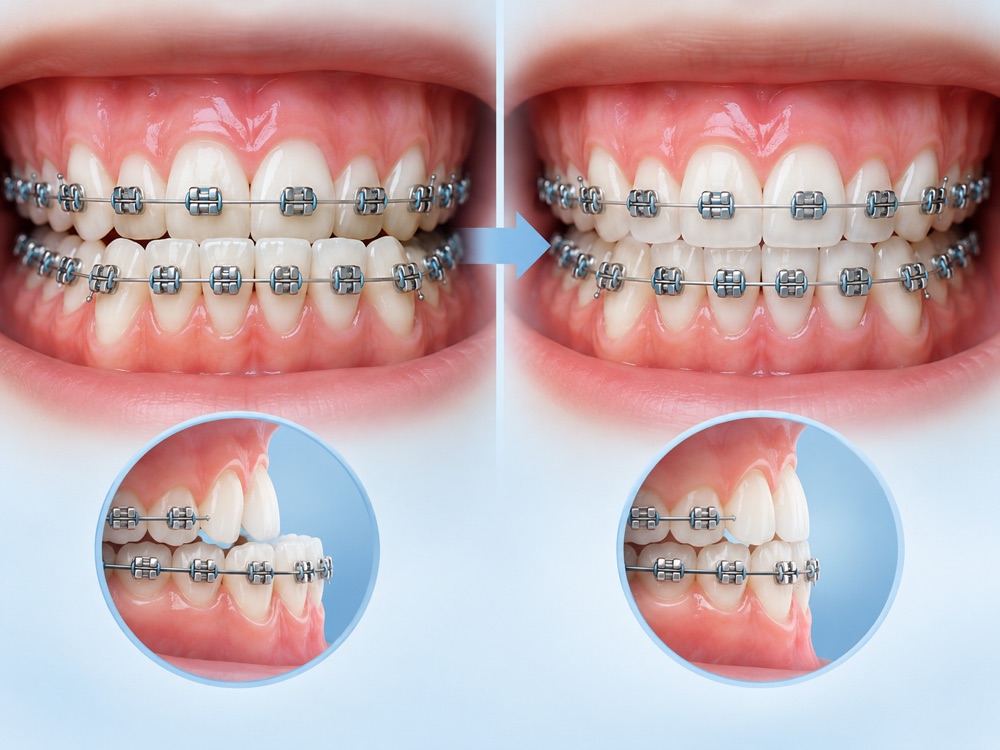
Braces can correct a dental underbite in many patients without surgery. Metal, ceramic and self-ligating Damon braces can correct a dental underbite in roughly 18 to 24 months.
The exact treatment time depends on your bite and is confirmed after reviewing your X-rays and bite photographs. Invisalign clear aligners may suit patients with a mild dental underbite where the jawbones are proportionate and only tooth position needs correction.
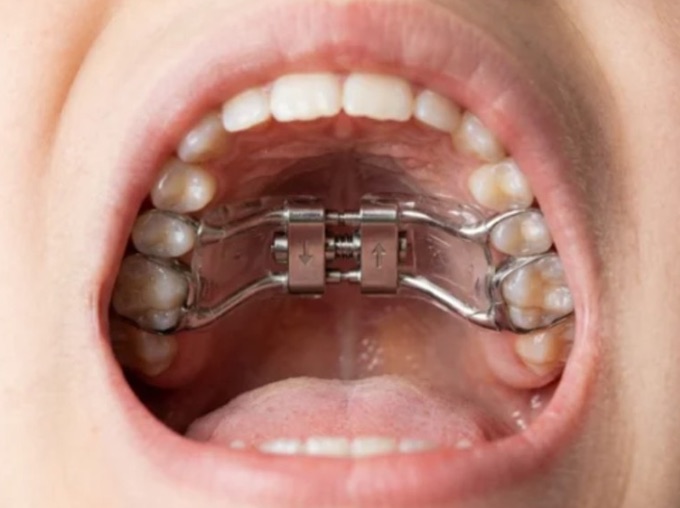
Children between 7 and 10 years old may respond well to early growth-guidance appliances, as the jaw is still developing. Early assessment does not guarantee that later braces or surgery will be avoided, but it can provide more treatment options while the child is still growing.
When Does an Underbite Need Surgery?
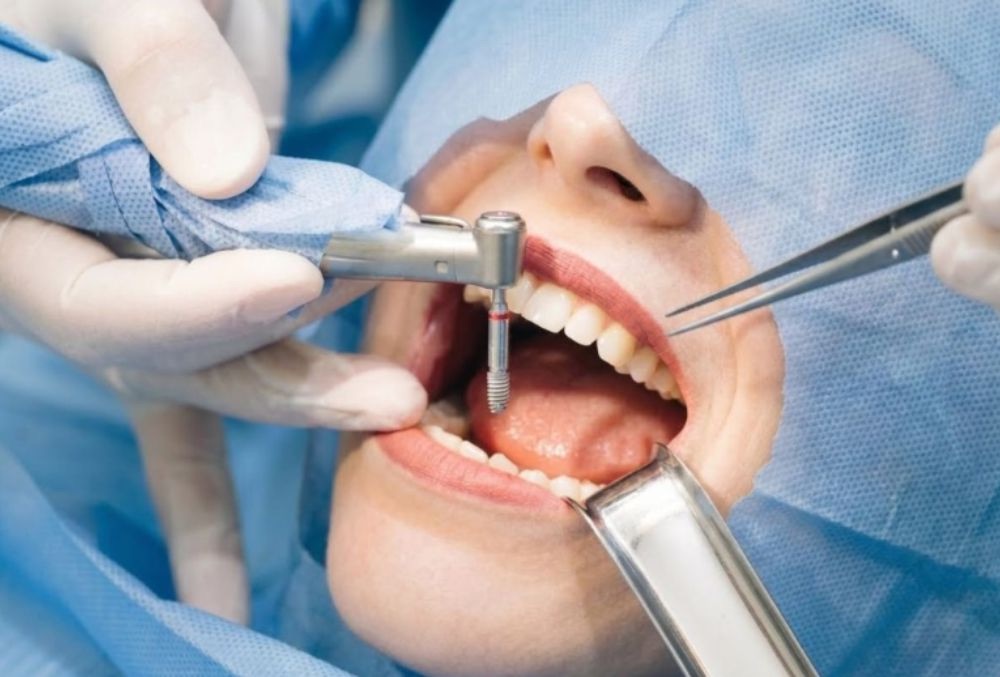
A skeletal underbite in an adult usually needs orthognathic jaw surgery alongside braces, since the size difference between the jawbones cannot be corrected by moving teeth alone.
The orthodontic team identifies surgical candidates through clinical photographs, dental X-rays and a full bite analysis. The surgical stage is then coordinated with Brace Yourself’s oral and maxillofacial surgeon in Penang.
Combined surgical orthodontic treatment typically runs 24 to 36 months in total. This covers 12 to 18 months of pre-surgical braces to align the teeth for surgery, the surgical procedure itself, and 6 to 12 months of retention braces afterwards to settle the final bite.
How Brace Yourself Orthodontics Treats Underbites in Penang
An underbite needs a proper orthodontic assessment because dental and skeletal cases may require different treatment approaches.
- Specialist assessment: Brace Yourself provides specialist-led assessment for underbite cases.
- Credentials: The orthodontic team includes specialist qualifications in orthodontics, including an MSc in Orthodontics from King’s College London and membership qualifications from the Royal Colleges of Surgeons of Edinburgh and England.
- Personalised treatment: Each case is planned based on the patient’s bite and may involve braces, Invisalign or coordinated surgical care.
- Treatment review: The treatment plan is reviewed throughout the patient’s orthodontic journey.
Find the Right Treatment for Your Underbite
A dental underbite may be corrected with braces, while a jaw-related underbite may require surgery.
Brace Yourself Orthodontics in Penang provides an individual bite assessment to determine the most suitable treatment approach.
Book your orthodontic consultation with Brace Yourself today.
Frequently Asked Questions About Underbite Braces
Yes, some dental underbites can be corrected with braces or Invisalign at Brace Yourself, depending on the cause and severity.
Treatment time varies by case, and Brace Yourself will provide an estimated timeline after assessing your bite and orthodontic needs.
Invisalign may correct mild dental underbites, with Brace Yourself assessing your bite and teeth to determine your suitability.
An untreated skeletal underbite may affect chewing, tooth wear and jaw function, so an orthodontic assessment can help determine the appropriate treatment.
Children can benefit from an early orthodontic assessment, particularly while their jaw and teeth are still developing.
The cost depends on your treatment needs and whether braces or Invisalign is suitable, with Brace Yourself providing a personalised quotation after assessment.
